“Aranmula Kannadi is not just a mirror; it is a symbol of tradition, culture, and faith, and it continues to play a significant role in the lives of Malayalis all over the world.”
aranmulakannadi.org
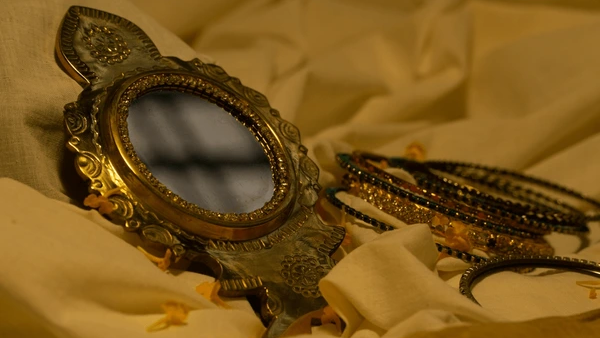
A small town on the banks of the river Pampa, the air full of stability and tranquility, encompassed by the rustling of rubber trees and exquisite crafts. The scenic beauty, the susurration of the streams, and the history of the land; Aranmula sparks a sense of nostalgia tucked away in your subconscious. This austral town in Kerala has a hidden-not-so-hidden marvel: the Aranmula Kannadi.
One might wonder what could be so special about a Kannadi (mirror). I can sense the nods in unison from here.
A mirror is just a mirror, right? But the Aranmula Kannadi holds a permanent place in history, as it’s believed to be the oldest metal mirror in yore. It’s made from an alloy of tin and copper, unlike regular mirrors from glass. The reflection happens on the front side of the mirror as well. This completely handcrafted creation takes weeks of toil and laborious work to acquire that flawless and unique finish.
When standard mirrors’ reflections can be distorted to some extent, these metal mirrors show zero distortions or aberrations. Especially when you touch the reflective surface of the mirror, you can see there is no gap between the object and the image, which brings us back to the question of why it is remarkable.
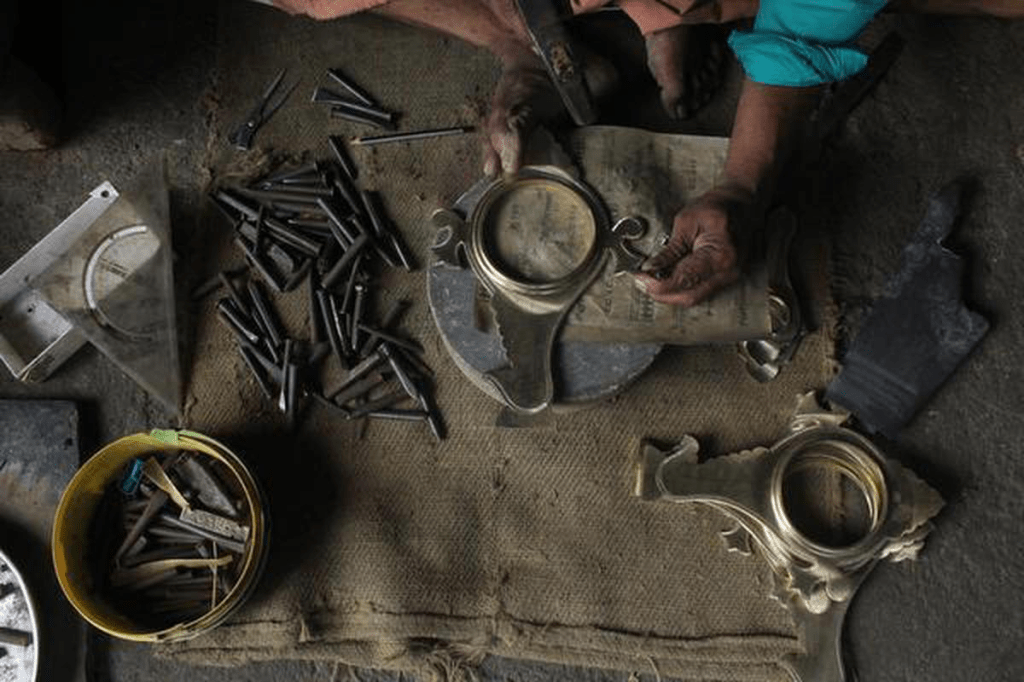
From buffing the metal with an abrasive paste for several weeks to the final product, the intricate work and dedication that goes into each piece turn this into a piece of art.
Every single mirror is handcrafted by skilled artisans with lots of care and strenuous work. None of it is machine-made and has a human touch to it which in this era, is elusive.
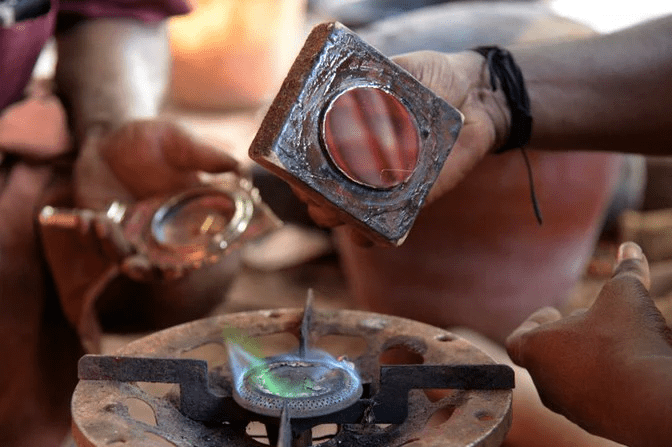
A lot of stages involved in the crafting of this are well-known but the most important part, the alloy mixture, is a well-kept family secret of over 250 years.
But what’s intriguing is how this came to the hands of a few families in Aranmula all these years ago.
A Walk Through The Looking Metal Chronicles
click below to watch a documentary reel on Aranmula Kannadi to delve into brief history and visuals
video credits: Malavika Pramod, Govardhan KB
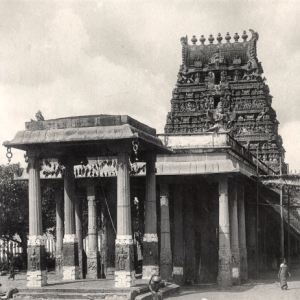
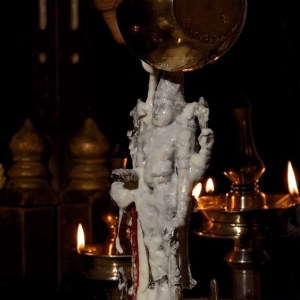
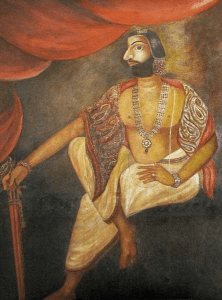
Roughly 250 years back, Anizham Thirunal Marthanda Varma Maharaja, a monarch ruling the Kingdom of Travancore brought some artisan families from Tamil Nadu belonging to the Vishwakarma community to work for the Aranmula Parthasarathy temple. They specialized in metal creations and, therefore chosen by the Maharaja to design a crown for the deity there. After the families settled down, the artisans started getting sluggish. The Maharaja was enraged, how dare they slack off?
To appease him, the women in the families took off their jewelry made of tin & copper and chucked it into the fire. The molten metal was used to create the crown. After the crown was done, they noticed that it was reflecting. This is said to be the origin of the famed metal mirror.
Thereupon, the descendants of these artisans took it upon themselves to keep the art alive. They started making these mirrors for a living.
Shri M S Janardhanan Achary created the world’s first largest Aranmula Kannadi by himself in the 90s. His daughter, Sudhammal J, is the first independent woman to practice Aranmula mirror-making
thearanmulakannadi.com
It’s the second craft in India to get a Geographical Indication tag (2004-05) which protects the craft and the few artisan families in Aranmula that have had this work in their family for generations.
See How They Make The Mirror? Very Demure, Very Mindful
Let’s look into the main raw materials
- Clay for creating the mold required for both the base and the mirror
- Abrasive Paste made by mixing rice bran with oil extracted from seeds of maroṭṭi
- Tin and Copper as alloy
- Coal to fire the furnace to melt the metals
- Jute bags/Coir to fire the mold

What’s raw materials without the process?
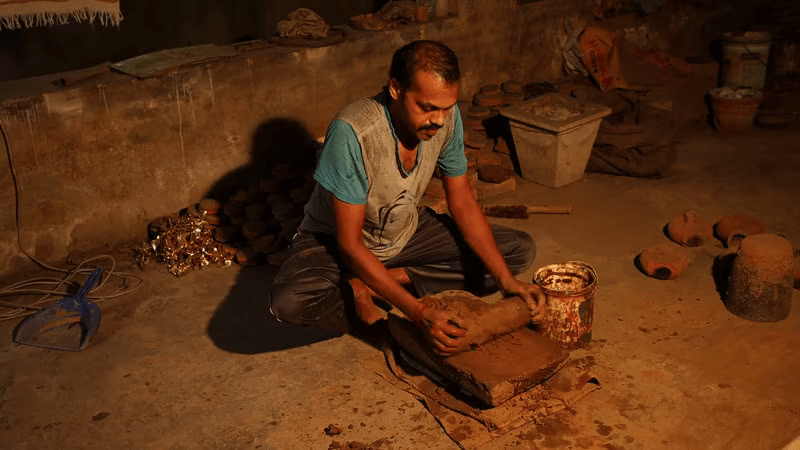
The artisans initiate the process by making the clay for the molds. These clay molds ensure that the metal base formed is circular and uniform.
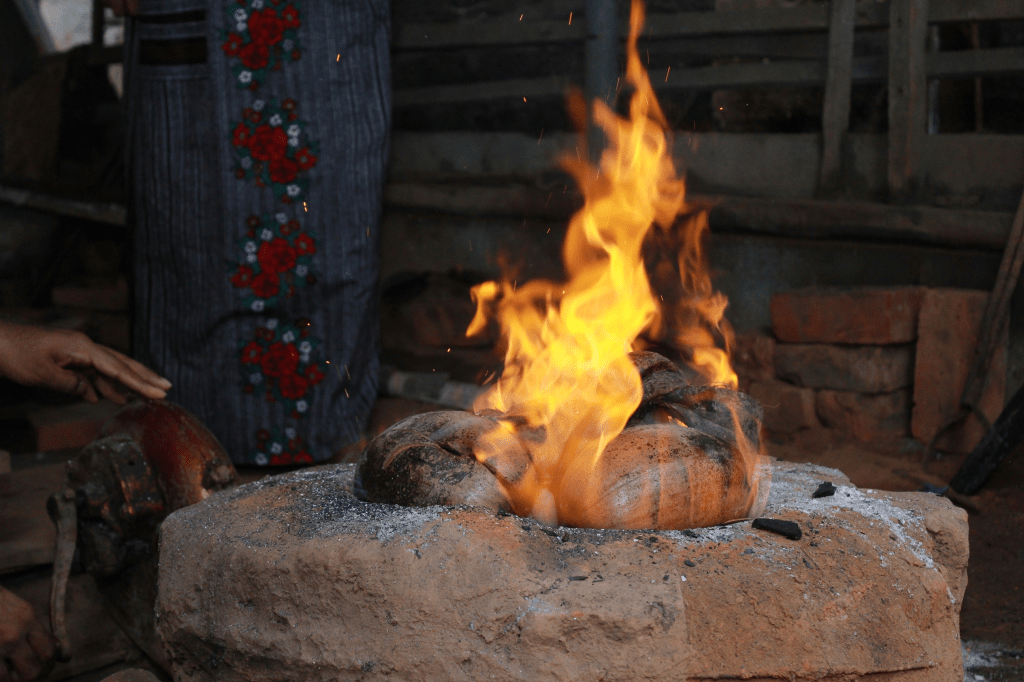
Melting tin and copper is the next important step. It’s done in a distinctive mixture called Vishwakarma Loha only known to the family which is then poured onto a slab.
The alloy after solidifying is cracked into pieces and softened again to be maneuvered into a circular plate. This whole process itself is tiring as the artisans are exposed to extreme blaze and heat. After checking it’s thoroughly done, they break the outer mold and take the circular base for further procedures.

The base is polished for several weeks to attain that perfection using different waxes, oils, and pastes. Alongside, the frame is made using brass or silver ready to be designed and etched. The work is done after fixing the mirror onto the frame.
This lengthy and laborious work spread over weeks is why the mirrors are expensive.
No engines involved, just the heart and hands of these devoted artisans.
Visuals & Aesthetics
When, Where, Which: Purchase Guide
As a gifting option:
Keeping this mirror at home is said to bring good fortune and luck. This is widely gifted at housewarmings and other occasions because of its value and worth.
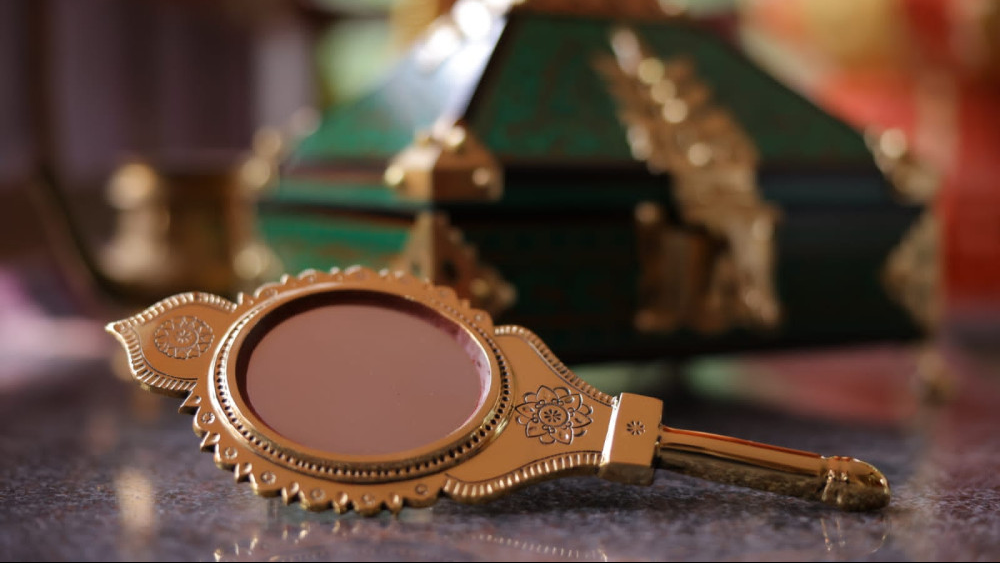
For Vishu:
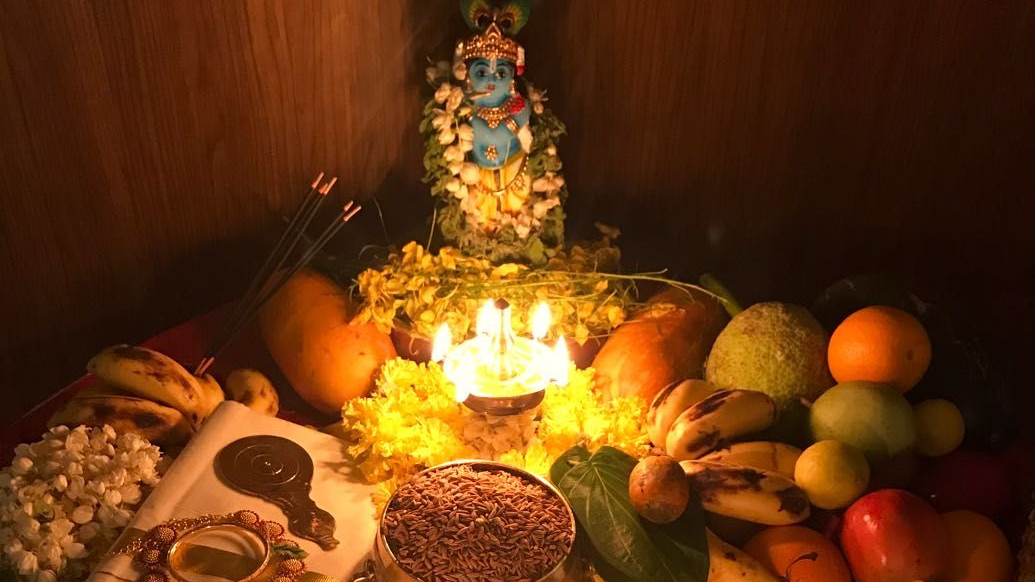
Vishu is a festival celebrated in the month of April in Kerala to mark the commencement of the new agricultural cycle. It begins with a Vishu Kani (that which is seen first) at dawn. This Vishu Kani constitutes quite a few indisposable items, one of them being the handheld mirror.
For Ashtamangalyam:
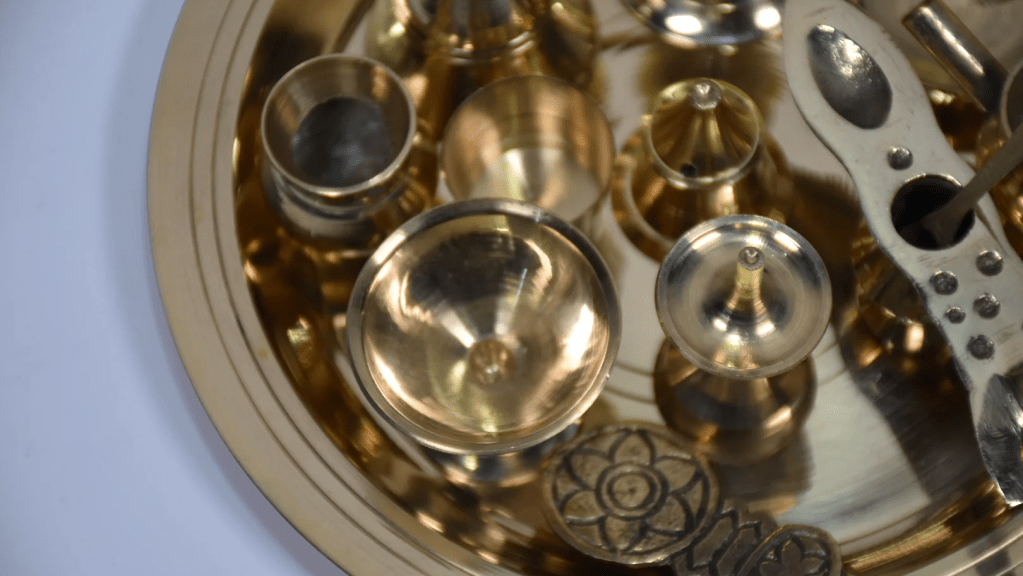
It’s a set of 8 sacred items carried by the bride to the mandap for her wedding. This set comprises Aranmula Kannadi along with other articles.
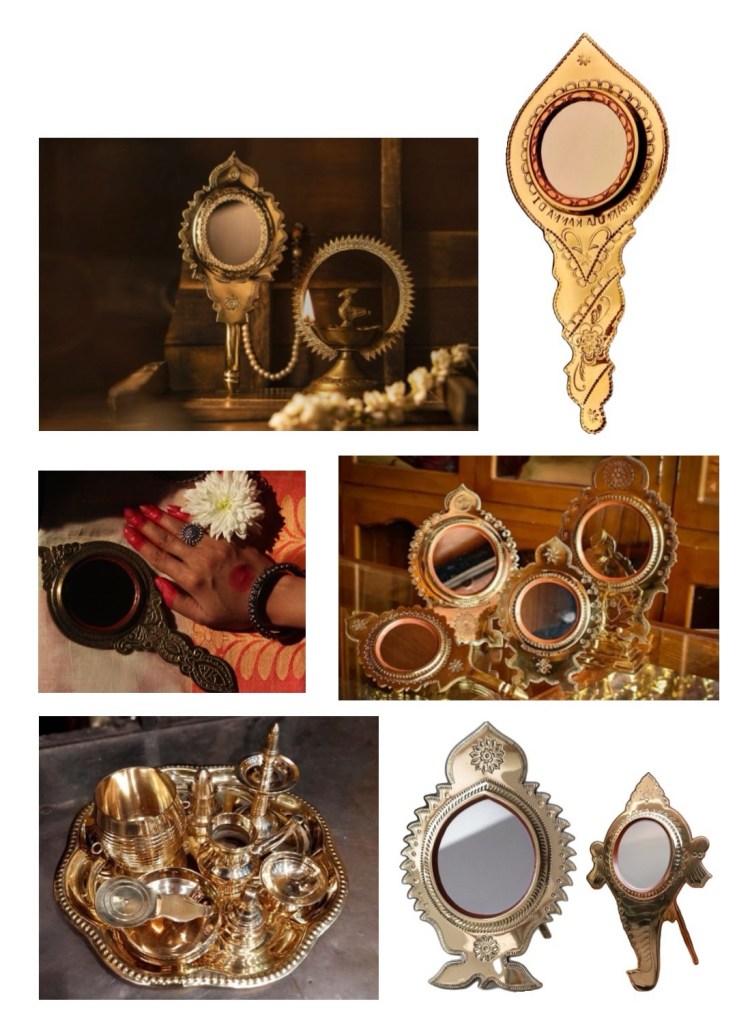
Product Range
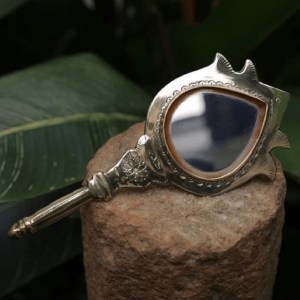
1. Handheld Mirror/ Valkannadi
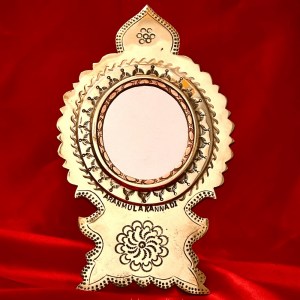
2. Back stand Mirrors
3. Fixed Mirrors/ Peeda Kannadi
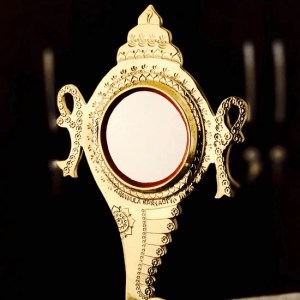
4. Wall Hanging Mirrors/ Thooku Kannadi
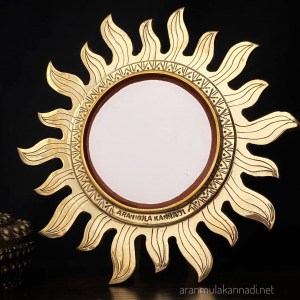
5. Casket Mirror/ Cheppu Kannadi
6. Custom Designs/ One of a Kind
All That Reflects Is Not Aranmula Kannadi: Spot a Phony
- Chasing Imperfections
as absurd as it might sound, imperfections and blemishes are inevitable in the procedure of manufacturing the real mirror.
- Hologram Stickers
since 2016, only authentic Aranmula Kannadi made by the Vishwakarma families have these hologram stickers.
- Most importantly- touch the mirror
the genuine mirrors don’t exhibit distortions, aberrations, or gaps when touched.
Artisan Struggle & Tribulations: Where Mindfulness and Actions Speak
With the increasing number of imitators and counterfeits, authentic works are not getting the spotlight they deserve. The mirror makers have been struggling with the grind and working conditions.
Besides, people hesitate to invest in these pieces saying it’s too expensive, often overlooking the efforts behind bringing the product to the market. We are the ones who should be supporting our local artisans to keep the crafts from dying and remember to be mindful while purchasing.
Nonetheless, they are going strong, preserving one of the most unique crafts in the country.
This is your sign to support your local artisans, they deserve it.
References:
in-workshop experience at Aranmula, Patanamthitta
https://thearanmulakannadi.com/
https://en.wikipedia.org/wiki/Aranmula_Kannadi


 Gloss and Gilded Gazette by Malavika
Leave a comment